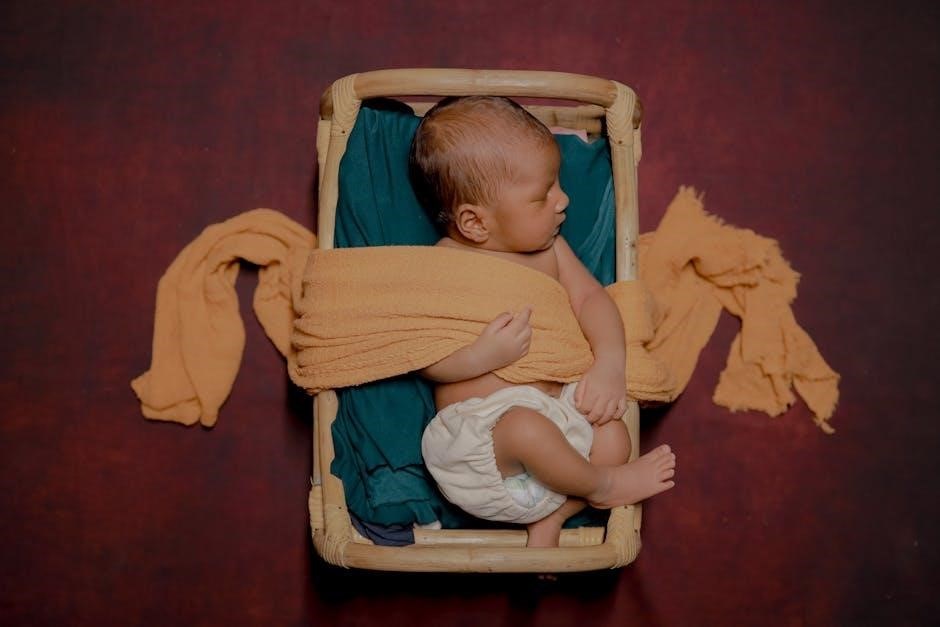
baby wrap carrier instructions
Baby Wrap Carrier Instructions: A Comprehensive Guide
Welcome! This guide provides detailed instructions for safely and comfortably using a baby wrap carrier. Explore step-by-step tutorials and how-to videos for confident practice.
Begin practicing at home, wearing comfortable clothing, to master techniques. Resources from Moby Wrap and YouTube Shorts offer valuable insights and demonstrations.
Date of Information Compilation: 03/31/2026 15:12:48 ()
Understanding Baby Wrap Carriers
Baby wrap carriers are incredibly versatile pieces of babywearing equipment, differing significantly from structured carriers. Unlike those, wraps utilize a long piece of fabric – often cotton, linen, or a blend – that the wearer ties around their body to create a secure and comfortable ‘pocket’ for the baby.

The beauty of a wrap lies in its adaptability. They aren’t one-size-fits-all; instead, the wearer customizes the fit through various tying techniques. This allows for a snug, ergonomic hold that supports the baby’s natural positioning – crucial for healthy hip and spine development.
Wraps distribute the baby’s weight evenly across the wearer’s back and shoulders, potentially reducing strain compared to holding the baby directly. However, mastering the tying techniques requires practice. Resources like Moby Wrap’s tutorials and YouTube videos (accessed Nov 23, 2022, and Mar 20, 2017) are excellent starting points. TikTok (@bellaweemslambert, Dec 9, 2025) also showcases practical demonstrations.
Understanding the fabric’s drape and how it interacts with your body is key to achieving a secure and comfortable carry.
Types of Baby Wraps Available
Baby wraps aren’t a monolithic category; several distinct types cater to different preferences and needs. Stretchy wraps, often made from cotton blends, are known for their softness and ease of use, making them ideal for newborns. They mold closely to the baby’s body, providing excellent support.
Woven wraps, constructed from tightly woven fibers like cotton, linen, or hemp, offer more support and versatility. They are favored by experienced babywearers for their ability to create secure carries for older and heavier babies. Woven wraps come in various weaves, affecting their texture and stretch.
Hybrid wraps combine the qualities of both stretchy and woven wraps, offering a balance of comfort and support. Linen wraps are also popular, known for their strength and breathability, though they require a bit more breaking-in.
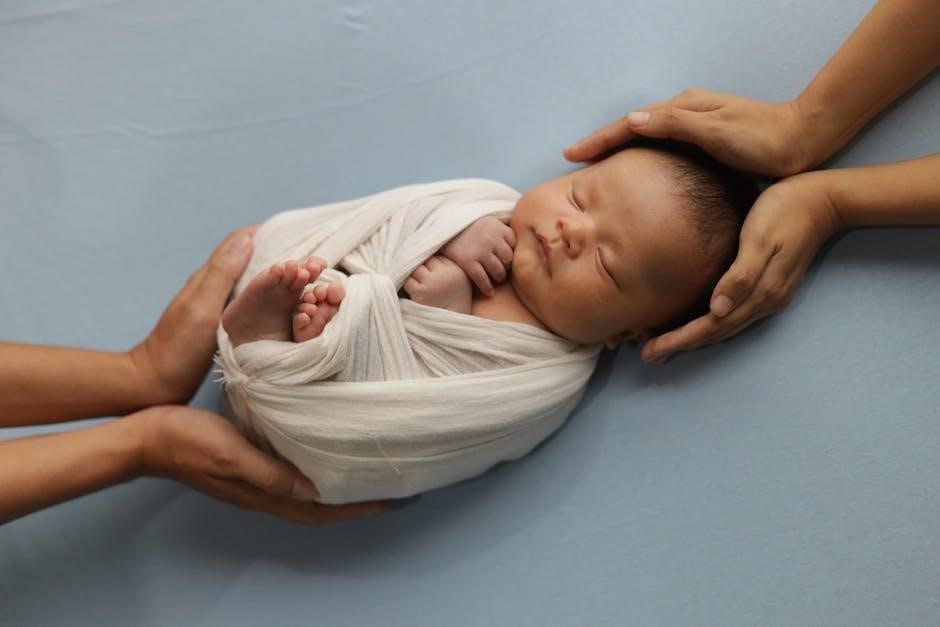
Resources like Moby Wrap (accessed via tutorial links) demonstrate techniques applicable to various wrap types. YouTube Shorts (Nov 23, 2022) and TikTok (@bellaweemslambert, Dec 9, 2025) visually showcase different fabrics and their drape. Choosing the right wrap depends on your baby’s age, weight, and your personal comfort level.
Benefits of Using a Baby Wrap
Baby wraps offer a multitude of benefits for both baby and caregiver. They promote skin-to-skin contact, crucial for bonding and regulating the baby’s temperature and heart rate. This closeness fosters a sense of security and reduces crying. Wraps distribute the baby’s weight evenly, minimizing strain on the wearer’s back and shoulders.
Unlike some structured carriers, wraps allow for a natural fetal position, supporting healthy hip development. They’re incredibly versatile, adapting to various carrying positions as the baby grows. A wrap keeps your hands free, enabling you to accomplish daily tasks while keeping your little one close.
The snug, secure hold of a wrap can also be incredibly soothing for fussy or colicky babies. Resources like Moby Wrap tutorials emphasize adjustable comfort for all body sizes. YouTube content (Mar 20, 2017) highlights the convenience and connection offered by babywearing. Practicing frequently builds confidence and maximizes these advantages.
Safety Precautions Before You Begin
Prioritize safety when using a baby wrap carrier. Always ensure the baby is positioned securely, with their airway clear. The “TICKS” checklist is vital: Tight, In view at all times, Close enough to kiss, Keep chin off chest, and Supported back.
Practice wrapping at home first, in a comfortable and safe environment, as suggested by Moby Wrap. Avoid using a wrap while cooking near a hot stove or engaging in activities requiring focused attention. Be mindful of tripping hazards and maintain a stable posture.

Regularly check the wrap for wear and tear, ensuring all ties are secure. Never leave a baby unattended in a wrap, even for a moment. Be aware of your baby’s cues; if they seem uncomfortable or are struggling to breathe, adjust the wrap immediately. Refer to online resources, like YouTube tutorials (Nov 23, 2022), for visual guidance and best practices.
Preparing the Wrap for Use

Before your first wrap, inspect the fabric for any defects or damage. Ensure the wrap is clean and free of any lingering scents or detergents that might irritate your baby’s skin. Most wraps don’t require pre-washing, but check the manufacturer’s instructions.
Familiarize yourself with the wrap’s length and midpoint. The midpoint is crucial for even weight distribution. Practice spreading the wrap out fully to understand its size and how it drapes. Moby Wrap tutorials emphasize adjustable comfort for all body sizes, so understanding the fabric’s flexibility is key.
Choose comfortable clothing for both you and your baby. Avoid bulky or restrictive outfits that might interfere with a secure wrap. Practice makes perfect, so dedicate some time to experimenting with different wrapping techniques in a relaxed setting, as recommended for first-time users. TikTok videos (@bellaweemslambert, Dec 9, 2025) may offer quick visual references.
Finding the Sweet Spot: Initial Positioning
Achieving proper positioning is paramount for both comfort and safety. Begin by placing the wrap’s midpoint across your back, ensuring it sits comfortably at your bra line or just below. Distribute the fabric evenly on both sides, creating two panels.
Bring one panel across the front of your body, and the other across your back. This forms the base for securing your baby. The goal is to create a secure “pocket” where your baby will sit. Ensure the fabric isn’t twisted and lies smoothly against your body.
When positioning your baby, maintain the “T.I.C.K.S.” checklist (Tight, In high, Close, Kiss the head, Supported back). Your baby’s knees should be higher than their bottom in a natural “M” position. Practice early and often, starting at home, to refine your technique. YouTube resources (Nov 23, 2022 & Mar 20, 2017) can visually demonstrate optimal positioning.
Basic Wrap Techniques: Front Carry
The Front Carry is an excellent starting point for new wrap users. After finding your initial positioning (as detailed previously), gently place your baby into the wrap’s pocket, ensuring their back is supported and knees are in the “M” position.
Bring the top rail of the wrap across your baby’s back, ensuring it covers their entire back for optimal support. Then, take the opposite rail and bring it across your baby, creating a secure hold. Pass this rail under the first rail, creating a cross or “X” shape across your back.
Pull the rails snug, tightening the wrap to keep your baby close and secure. Regularly check that your baby’s airway remains open and their chin isn’t tucked to their chest. Moby Wrap’s tutorial (accessed Dec 12, 2025) provides a visual guide. Remember to practice in comfortable clothing for ease of movement and adjustment.

Securing the Wrap: Ensuring a Snug Fit
Achieving a snug fit is paramount for both comfort and safety when using a baby wrap. After completing your chosen wrap technique (like the Front Carry), systematically tighten each rail of the wrap. Begin by gently pulling downwards on the rails, distributing the fabric evenly across your back and shoulders.
Ensure the wrap supports your baby’s entire back and that the fabric isn’t loose or sagging. The “M” position for your baby’s legs should be maintained – knees higher than their bottom. Regularly check that you can easily slip two fingers between the wrap and your baby’s chest, confirming it’s snug but not constricting their breathing.
Practice tightening the wrap while at home to build muscle memory. Resources like Moby Wrap’s tutorials emphasize the importance of a secure hold. Remember, a properly secured wrap provides optimal support and allows for comfortable babywearing.

Advanced Wrap Techniques: Hip Carry

The Hip Carry offers a comfortable and secure position for older babies with developing head and neck control. This technique distributes the baby’s weight differently, providing relief for shoulders and back. Begin by positioning the wrap lower on your back, creating a deep pocket for your baby to sit in.
Carefully slide your baby into the wrap, ensuring their hips are properly positioned in the “M” shape – knees bent and higher than their bottom. Tighten the rails, focusing on securing the baby’s hip and thigh against your body. This prevents sagging and provides optimal support.
Regularly check that your baby’s airway remains clear and that they are comfortably nestled against you. Practice in front of a mirror to ensure correct positioning. While specific tutorials weren’t directly provided, resources like Moby Wrap demonstrate similar wrap principles applicable to hip carries.
Advanced Wrap Techniques: Back Carry
The Back Carry is ideal for older, stronger babies who can support their heads and have good trunk control. It allows you to maintain freedom of movement while keeping your little one close. Begin by securing a strong base wrap around your torso, ensuring it’s snug and supportive.
Carefully position the baby on your back, lifting their legs over your shoulder. Create a deep pocket with the wrap to fully support their bottom and back. Tighten the wrap systematically, starting from the lower back and working upwards, ensuring a secure and comfortable fit.
Pay close attention to the baby’s airway and ensure their face isn’t pressed against the wrap. Regularly check their positioning and adjust as needed. While direct back carry tutorials weren’t provided in the source material, the principles of secure wrapping from Moby Wrap apply. Practice near a mirror initially for confidence.
Troubleshooting Common Issues

Loose Wrap: If the wrap feels too loose, re-tighten it systematically, starting from the base. Ensure even tension throughout the entire carry. A sagging wrap compromises support and safety.
Slipping Baby: A baby slipping down indicates insufficient tightness or an improperly positioned seat. Re-adjust the wrap to create a deeper, more secure pocket for the baby’s bottom. Double-check the leg positioning.
Discomfort for You: Shoulder or back pain suggests uneven weight distribution. Experiment with different wrap techniques and ensure the weight is centered. Adjust the wrap height for optimal comfort.
Baby Seems Uncomfortable: Look for signs of discomfort like fussiness or leg positioning. Ensure the baby’s airway is clear and their legs are in a natural “M” position. Refer to resources like Moby Wrap for guidance. Remember practice builds confidence!
Practicing at Home: Building Confidence
Start Slowly: Before venturing out, dedicate time to practice with your baby wrap in a comfortable, safe environment. Use a doll or weighted stuffed animal initially to get familiar with the tying techniques.

Mirror Check: Practice in front of a mirror to visually assess the wrap’s tightness, evenness, and baby’s positioning. This helps identify potential issues before they become problematic.
Comfortable Clothing: Wear clothes you don’t mind adjusting the wrap over. Avoid slippery fabrics that might cause the wrap to shift. Comfortable attire enhances the learning process.
Repetition is Key: Repeated practice builds muscle memory and confidence. Don’t be discouraged by initial difficulties. Resources like Moby Wrap’s tutorials emphasize consistent practice. Remember, mastering a new skill takes time and patience. Embrace the learning curve!
Adjusting for Different Baby Sizes & Weights
Newborns vs. Older Babies: Baby wraps are incredibly versatile, accommodating newborns through toddlerhood. However, adjustments are crucial as your baby grows. Newborns require a higher, snugger position with full support for their head and neck.
Tightness is Paramount: As your baby gains weight, ensure the wrap remains adequately tight to maintain proper support. Looser wraps can lead to sagging and discomfort for both you and your baby.
Layering Techniques: For smaller babies, utilize extra layers within the wrap to achieve a secure fit. Conversely, with larger babies, you might need to adjust the wrap’s width or tying method.
Distribution of Weight: Pay attention to how the baby’s weight is distributed across your body. Adjust the wrap to ensure even weight distribution, preventing strain on your back and shoulders. Consistent practice, as suggested by various resources, will help you fine-tune these adjustments.
Cleaning and Caring for Your Baby Wrap
Gentle Washing is Key: Most baby wraps are machine washable, but always consult the manufacturer’s care instructions first. Typically, a gentle cycle with cold water and mild detergent is recommended to preserve the fabric’s integrity.
Avoid Harsh Chemicals: Steer clear of bleach, fabric softeners, and harsh detergents, as these can irritate your baby’s skin and damage the wrap’s fibers. Opt for hypoallergenic, baby-safe detergents whenever possible.
Drying Methods: Air drying is generally the safest method to prevent shrinkage and maintain the wrap’s shape. If using a dryer, select a low heat setting and remove the wrap promptly to avoid overheating.
Spot Cleaning: For minor spills or stains, spot cleaning with a damp cloth and mild soap can be effective. Ensure the area is thoroughly rinsed and allowed to air dry completely before use. Proper care extends the lifespan of your wrap, ensuring continued comfort and safety.
Resources for Further Learning (Videos & Tutorials)
Expand Your Knowledge: Numerous online resources offer visual guidance for mastering baby wrap techniques. YouTube provides a wealth of tutorials, including short, helpful videos like the one found at this link, and more comprehensive guides at this address.
Moby Wrap’s Official Guide: Moby Wrap offers a dedicated “How-To” section on their website (link) with step-by-step instructions and detailed visuals. This is an excellent starting point for beginners.
TikTok Demonstrations: Platforms like TikTok (example) showcase quick demonstrations and user-shared tips. Remember to always prioritize safety and proper positioning when following online tutorials. Practice consistently to build confidence and ensure a secure, comfortable carry for both you and your baby.
Recognizing Signs of Discomfort for Baby
Prioritize Baby’s Well-being: Regularly check your baby for signs of discomfort while in the wrap. Pay close attention to their breathing; ensure their airway remains open and unobstructed. Look for any signs of difficulty breathing, such as flared nostrils or rapid, shallow breaths.
Observe Body Language: Watch for fussiness, crying, or attempts to wiggle free. These can indicate the wrap is too tight, too loose, or improperly positioned. Reddened skin around legs or arms may suggest pressure points. A baby who is unusually quiet or lethargic could also be experiencing discomfort.
Check Leg Position: Ensure your baby’s legs are in a healthy “M” position, with knees higher than their bottom, to support proper hip development. If you notice any signs of distress, immediately adjust the wrap or remove your baby. Trust your instincts – if something doesn’t feel right, address it promptly.