jockey bra size guide
Jockey Bra Size Guide Overview
Jockey’s Bra Size Guide offers a precise fit by combining underbust and overbust measurements in centimeters. Using the online calculator, you can match your band and cup to Jockey’s unique sizing, ensuring comfort from wire‑free everyday bras to supportive sports styles. for all body types. and
Understanding the Importance of Accurate Fit
Accurate bra sizing is essential for comfort, posture, and health. An ill‑fitting band can pull the shoulders, while a cup that is too large or too small can cause breast tissue strain, back pain, and even long‑term damage. Jockey’s sizing system, based on precise under‑and over‑bust measurements in centimeters, ensures that each band and cup combination supports the natural shape of the breast. By using the Jockey Bra Size Calculator, women can avoid common pitfalls such as band‑cup mismatches, which often lead to sagging or excessive compression. A correct fit also enhances confidence and allows for active lifestyles, whether the wearer is engaging in everyday activities or high‑impact sports. Moreover, proper sizing reduces the need for frequent adjustments or repairs, extending the life of the garment. Jockey’s commitment to accurate fit reflects a broader understanding that a well‑fitted bra is not merely a fashion item but a vital component of overall well‑being. When the band sits snugly yet comfortably, it distributes weight evenly across the back and shoulders, preventing strain and promoting spinal alignment. A cup that matches the breast volume keeps the tissue supported without crushing it, preserving natural shape and circulation. Consistently using the correct size also helps maintain skin integrity, avoiding irritation, and reducing the risk of long‑term breast tissue damage. A fitted bra supports breast health by reducing pressure on lymphatic pathways, which can help prevent fluid buildup and reduce the risk of breast‑related conditions. Additionally, using size can improve posture, leading to fewer aches and a confident presence; Long‑term, a well‑fitted bra can reduce the likelihood of developing back pain, improve self‑esteem, and ensure that everyday movements are supported without restriction for you.
How to Measure Your Bra Size
Use a flexible tape. First, measure underbust: wrap tape under the bust, snug but not tight. Next, measure overbust: wrap tape over the fullest part of the breasts; Record both in centimeters to calculate band and cup. Keep tape level, slack for accuracy now
Step‑By‑Step Underbust and Overbust Measurement

Stand straight with shoulders relaxed and arms at your sides. Hold a flexible measuring tape and ensure it lies flat against the skin. This posture provides an accurate baseline for both measurements.
Underbust (Band) Measurement: Locate the lowest rib cage area directly beneath the breasts. Wrap the tape snugly around this point, keeping it parallel to the floor. The tape should be tight enough to hold but not compress the chest. Record the number in centimeters. If you get a fraction, round up to the nearest whole number for a more comfortable fit.
Overbust (Cup) Measurement: Position the tape around the fullest part of your breasts, ensuring it remains level and flat. The tape should sit just above the nipple line, not digging into the skin. Measure again in centimeters. If the measurement is a fraction, round up to the nearest whole number to avoid a tight cup.
Calculate Band Size: Subtract the underbust measurement from the overbust measurement. The difference in centimeters corresponds to the band size. For example, a 5 cm difference typically translates to a 34 band in Jockey’s metric system. If the difference is 6 cm, you would move up to a 36 band, and so on. This incremental approach ensures the band snugly fits around your torso without excessive pressure.
Determine Cup Size: Compare the overbust measurement to Jockey’s cup chart. Each cup letter represents a specific volume range. For instance, a 10 cm difference between overbust and underbust might correspond to a “C” cup in Jockey’s sizing. If the difference is 8 cm, you might be a “B” cup; 12 cm could be a “D.” Always cross‑reference with the chart to avoid misinterpretation.
Cross‑Check with Jockey’s Online Calculator: Enter both measurements into Jockey’s Bra Size Calculator to confirm the recommended band and cup. The calculator also offers adjustments for different body shapes, ensuring the final size aligns with your comfort preferences. It may suggest a slightly larger cup if your breasts have a higher bustline or a smaller band if you have a slimmer torso. This tool also flags potential misalignments.
Final Verification: Try on the suggested size. If the band feels too loose or the cup doesn’t support adequately, adjust by adding or removing a band size or selecting a different cup letter. Remember, comfort and support are paramount, so slight modifications are often necessary. Pay attention to the band’s snugness—there should be no gaps but also no pinching.
Timing Matters: Measure in the morning when breasts are naturally fuller, and avoid measuring after heavy exercise or a full meal, which can temporarily inflate breast size. Consistency in timing ensures repeatable results and a reliable fit.
Common Pitfalls to Avoid: Do not lean forward or backward while measuring, as this can stretch or compress the tape. Avoid using a stiff tape that may not conform to curves. Also, ensure the tape is not twisted; a twisted tape can give an inaccurate reading.
Record Keeping: Write down your measurements and the resulting band and cup size. Keep this log for future reference, especially if you purchase bras online or from different retailers. A consistent record helps you quickly identify the best fit without re‑measuring each time.
Using Jockey’s Online Bra Size Calculator
Enter your underbust and overbust measurements in centimeters. The tool auto‑converts to Jockey’s metric band and cup system, offering instant size suggestions. Adjust for body shape, then confirm fit before purchase.Try the chart for confidence;
Entering Measurements in Centimeters
To use Jockey’s online calculator, you’ll need accurate underbust and overbust readings in centimeters. Wrap a tape around the ribcage below the bust for the band measurement. Then measure from the same spot around the fullest part of the bust for the cup reading. Keep the tape level to avoid skewed data.
Enter these two numbers into the calculator’s fields, selecting “cm” as the unit. The system will automatically convert the band size to the nearest Jockey band number and calculate the cup volume based on the difference between the two measurements. If your band falls between two standard sizes, round up to the larger size for a more secure fit. For cup calculations, Jockey uses a 1‑cm difference per cup letter; a 2‑cm gap equals a B cup, 3‑cm a C, and so on. Jockey’s calculator also flags any measurement inconsistencies.
Double‑check your entries by re‑measuring after a short walk to account for any postural changes. Once the values are confirmed, the calculator will display your recommended Jockey size, which you can then cross‑reference with the brand’s detailed size chart for final verification. This precise method helps eliminate guesswork and ensures that your chosen bra offers optimal support and comfort across all Jockey styles. If the suggested size feels too tight, consider a one‑size‑up.
- Measure underbust: below the bust, snug but not tight.
- Measure overbust: at the fullest point, level with the floor.
- Use a flexible tape measure; avoid stretching.
- Record both numbers in centimeters.
- Enter into the calculator, choose “cm.”
- Review the suggested size and compare with the chart.
If you find yourself between sizes, try both to see which feels more comfortable. Some users prefer a slightly smaller band for a tighter fit, while others opt for a larger cup to reduce strain. Jockey’s wire‑free designs accommodate a range of shapes, so experimenting with different combinations can lead to the best fit.
Jockey Band Size Conversion
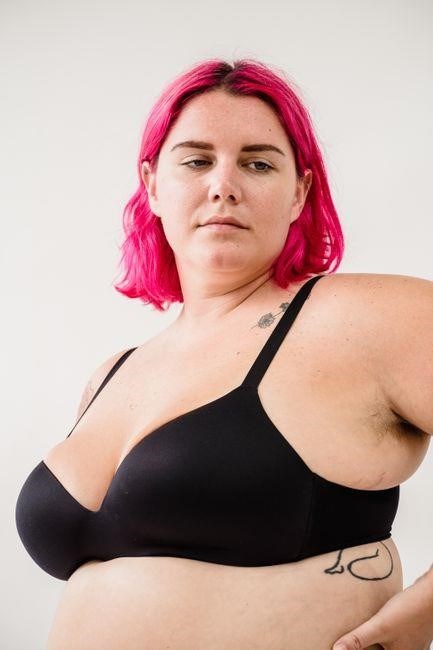
Jockey’s band conversion uses a simple metric‑to‑common system. Measure underbust in cm, round to the nearest even number. Convert: 70‑72 cm = 28, 73‑75 cm = 30, 76‑78 cm = 32, 79‑81 cm = 34, 82‑84 cm = 36. Adjust for fit. Use the chart to confirm band size and try on styles for comfort today!!.
From Metric to Common Band Sizes
Jockey’s band sizing follows a straightforward conversion from metric measurements to the familiar U.S. band numbers. First, measure the underbust circumference in centimeters while standing straight and wearing a non‑padded bra. Round the result to the nearest even number; this will be the metric band size. Next, map that number to the standard band series: 70–72 cm equals 28, 73–75 cm equals 30, 76–78 cm equals 32, 79–81 cm equals 34, 82–84 cm equals 36, 85–87 cm equals 38, 88–90 cm equals 40, 91–93 cm equals 42, 94–96 cm equals 44, 97–99 cm equals 46, and 100 cm or more equals 48. This chart aligns Jockey’s metric system with the common U.S. sizing used worldwide. For example, a 76 cm underbust measurement converts to a 32 band, while 83 cm becomes a 36 band. If your measurement falls between two band ranges, choose the larger band for a looser fit or the smaller for a tighter fit, depending on your comfort preference. Always try on the bra after conversion to ensure the band sits snugly without digging into the shoulders. Adjusting the band size can significantly improve support, especially in active or everyday styles. Remember that Jockey’s band sizes are designed to accommodate a wide range of body shapes, so use the conversion chart as a starting point and refine based on personal feel. For the most accurate fit, always double‑check your measurements after any weight change or pregnancy, as these factors can shift your band and cup needs today.
Jockey Cup Size Clarification
Jockey’s cup system uses letters A–G, each adding about 30 cc. A 28G cup equals ~850 cc, so 28G fits between 9‑10 inch band. Cup letters reflect volume, not band size, so a G cup fits a larger band than a B cup. Adjust by adding or removing a cup letter for comfort. Use online calculator. Soon.
Decoding Cup Letters and Volume
To interpret the chart, first measure your underbust and overbust in centimeters, then use Jockey’s conversion table to find the cup letter that matches the difference. The table assigns a numerical value to each cup letter, with A at 0 cc, B at 30 cc, C at 60 cc, and so on. This linear scaling simplifies comparison across brands. Once you know your cup letter, cross‑reference the band column to ensure the band fits snugly without digging into the skin. If the band feels loose, try the next larger size; if it’s tight, move to the smaller one. Remember that cup volume stays constant across band sizes, so a 34C will maintain the same volume whether worn in a 34 or 36 band. Jockey’s online calculator lets you input measurements in centimeters and instantly displays the recommended band and cup combination, highlighting potential fit issues. Experimenting with different band sizes in the calculator can help you find the most comfortable configuration for everyday wear or athletic activities. Finally, keep in mind that seasonal changes and weight fluctuations can affect bra fit, so re‑measure every few months to maintain optimal support and confidence!! When trying on bras in-store, ask a sales associate to help you test styles that match your calculated size. Observe how the straps sit on your shoulders, whether the band stays centered, and if the cup fully supports the breast without gaps. Adjusting strap tension or trying a band width can resolve most fit concerns.
Adjusting for Different Body Shapes

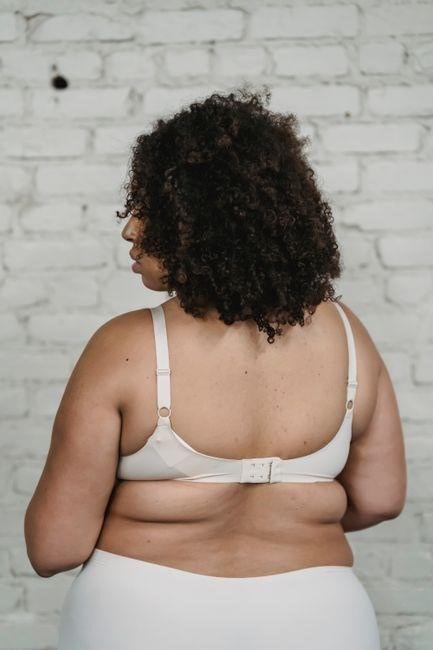
Jockey’s sizing adapts to body shape by offering multiple band widths and cup depth options. For a fuller bust, choose a tighter band and a deeper cup; for a lighter bust, a looser band and a shallower cup provide better support. Adjust straps for shoulder comfort. Fit each shape with Jockey’s fit.
Heavy Breasts vs. Light Breasts Fit Adjustments
When dealing with heavier busts, Jockey recommends a tighter band to prevent slippage and a cup with greater depth for volume. The brand’s wire‑free designs feature a reinforced center panel that distributes weight evenly, reducing back strain. For lighter busts, a looser band offers a relaxed feel, while a shallower cup avoids tightness. Adjusting strap length is crucial; longer straps give better shoulder support for heavier breasts, shorter straps reduce bulk for lighter ones. Jockey’s adjustable hook‑and‑eye closures allow fine‑tuning of the band fit, ensuring comfort and support regardless of bust size. Jockey’s “Flex” line has a flexible band that adapts to movement, ideal for active wearers with heavier busts needing support and freedom. For lighter busts, the same line offers a lighter fabric that reduces shoulder weight, enhancing everyday wearability. When choosing a cup, heavier busts should consider a cup that extends further down the side to avoid gaping, while lighter busts can opt for a cup that sits higher to maintain shape without excess bulk. The brand also offers a range of band widths—from 30 to 34 inches in metric—to accommodate different torso lengths, important for taller or shorter frames. Finally, Jockey’s fit guide advises testing multiple sizes in‑store or using the online size calculator, as small differences in band or cup can significantly affect comfort and support for both heavy and light busts. Moreover, Jockey offers straps with padded shoulders, keeping breasts secure without digging into the skin. The sizing chart includes a “plus” band option for measurements, shape!
Common Sizing Issues and How to Fix Them
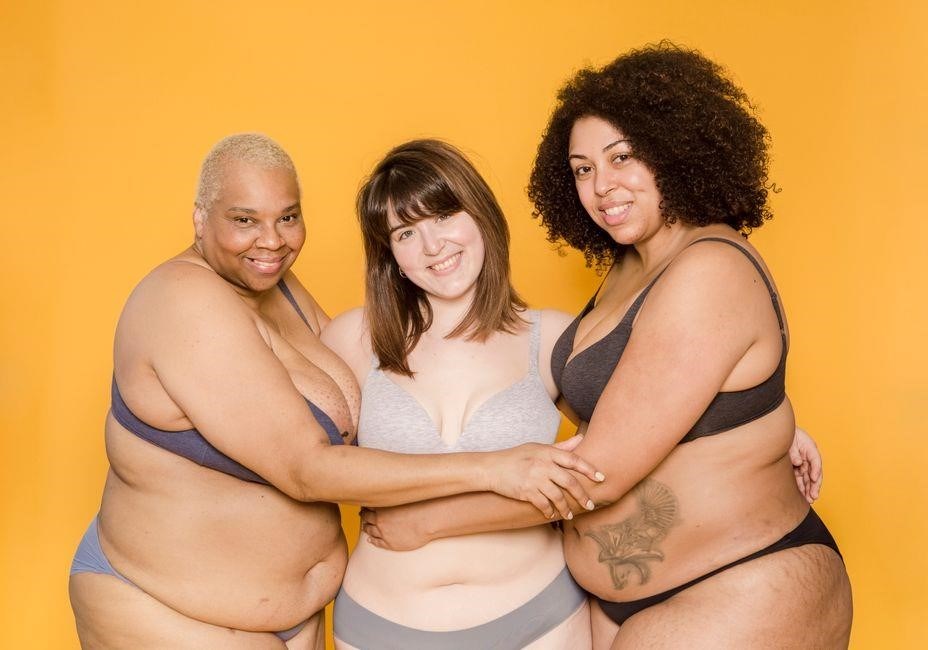
Common sizing issues arise when the band feels loose or the cup is too tight. Jockey recommends adding a half‑size band for a snug fit and a deeper cup for fuller breasts. Use the online calculator, then try the bra in store for a perfect fit. Adjust straps for comfort and use Jockey’s guide.OK
Problematic Cups and Band Mismatches
When a cup feels too tight while the band is loose, the bra may shift, causing discomfort and a visible “punch‑in” effect. This mismatch often occurs because the band size is measured in centimeters, but the cup volume is based on a different standard. Jockey’s online calculator helps identify the correct band by measuring the underbust in cm and converting it to the nearest band size. If the cup letter appears too small, try a cup that is one letter larger while keeping the same band. For example, a 34C that feels compressed can be swapped for a 34D, which offers more room without altering the band fit. Additionally, the “wire‑free” line uses a flexible band that can be tightened with an adjustable strap, allowing for a snug fit even if the initial band size is slightly off. If the band still feels loose, consider adding a band extender or choosing a higher band size that still matches the underbust measurement. Conversely, if the band is too tight, a smaller band may be needed, but this should be balanced with the cup size to avoid a “tight‑band, loose‑cup” scenario. Jockey’s fit guide suggests testing the bra in a store to confirm that the band sits flat against the ribcage and that the cup fully supports the breast without gaping. By addressing both band and cup dimensions simultaneously, you can eliminate common fit problems and achieve a comfortable, supportive look.